When to go
Visit Tromsø gives the aurora season as late August to early April. November–February has the longest nights; during the polar night (about 27 Nov – 15 Jan) even midday is twilight.
- Sep–Oct: Unfrozen fjords and milder air, good for reflections, but wetter.
- Nov–Jan: Longest darkness, stormiest weather.
- Feb–Mar: A tour operator says skies clear more often after the midwinter storms; the equinox period is also geomagnetically favourable.
The most active hours are roughly 20:00–02:00. Plan at least 4 nights, ideally 5.
Weather and clouds
Tromsø's real problem is cloud, not aurora. Moist Atlantic air often leaves the coast overcast; in the NASA POWER-based comparison its Dec–Feb cloud cover is close to 84%.
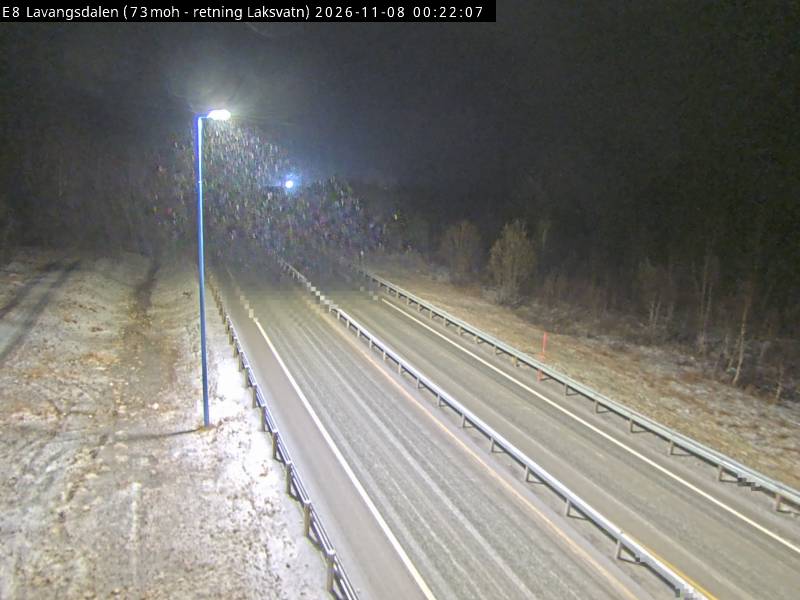
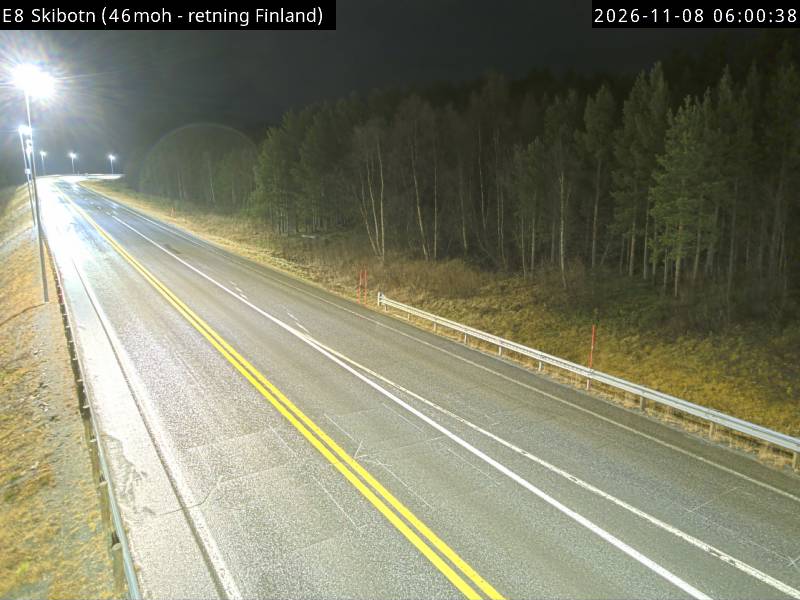
That is why local guides often drive inland to the Skibotn valley (about 90 minutes) and, if needed, across the border to Kilpisjärvi in Finland. Operators describe Skibotn as a drier valley; that is their claim, but the practice is widespread.
Check cloud forecasts on MET Norway's yr.no. Whatever the Kp, nothing shows through thick cloud.
Where to watch
A strong display can be seen even from town, but light pollution drowns out faint aurora.
- In town: Telegrafbukta beach and Prestvannet lake are walkable and fine for a quick check.
- Kvaløya island: Ersfjordbotn and the road towards Sommarøy offer dark, mountain-framed shores 30–60 minutes away.
- Inland: Skibotn and the Lyngen side, the usual escape route when the coast is overcast.
Never park on the road shoulder; use lay-bys, car parks or village squares.
Getting there and where to stay
The airport (TOS) is about 4 km from the centre. Most tours leave from downtown, so staying central is the practical choice on a first visit.
Self-drive chasing is possible but needs real winter-driving experience on snowy, icy Arctic roads. Visit Tromsø's 2025/26 listings showed 4–6 hour chase tours from about 2,100 NOK per person. Small-group tours that change route with the weather usually beat fixed camps.
Safety and cold
The January mean is around -8 °C, far milder than inland, but wind and damp make it feel colder. Pavements ice over; slip-on ice cleats help.
If you go snowmobiling or into the mountains, mind avalanche risk; the Lyngen Alps are avalanche terrain. Don't stand by the road at night in dark clothes; carry a reflective vest.