When to go
Travel guides give Senja's season as late September to late March. Roads are easier in Sep–Oct; Feb–Mar brings snowy scenery and more daylight.
The polar night (late Nov – mid-Jan) gives the longest darkness, but also the fiercest storms and occasional mountain-road closures.
Weather and clouds
Senja's west coast faces the open Atlantic; weather changes quickly and one fjord can be overcast while the next is clear. Crossing to the island's east side (towards Finnsnes) sometimes gets you out from under the cloud.
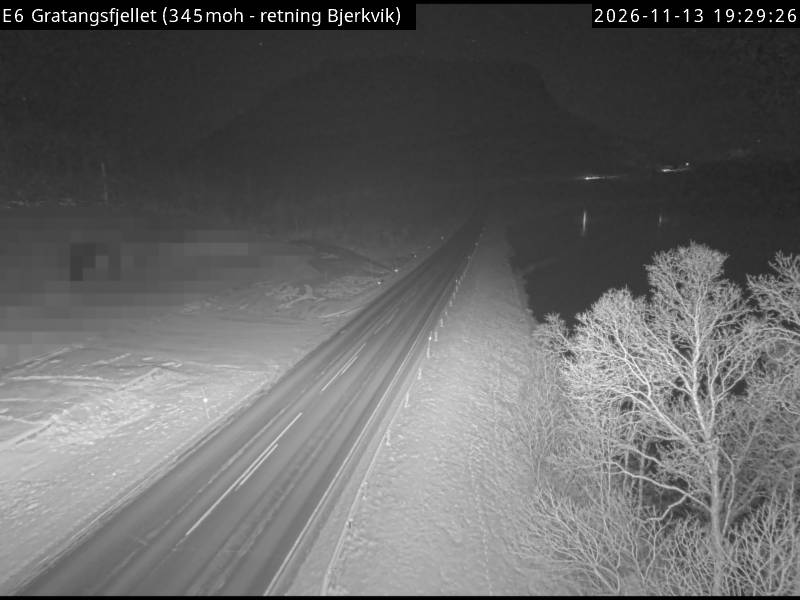
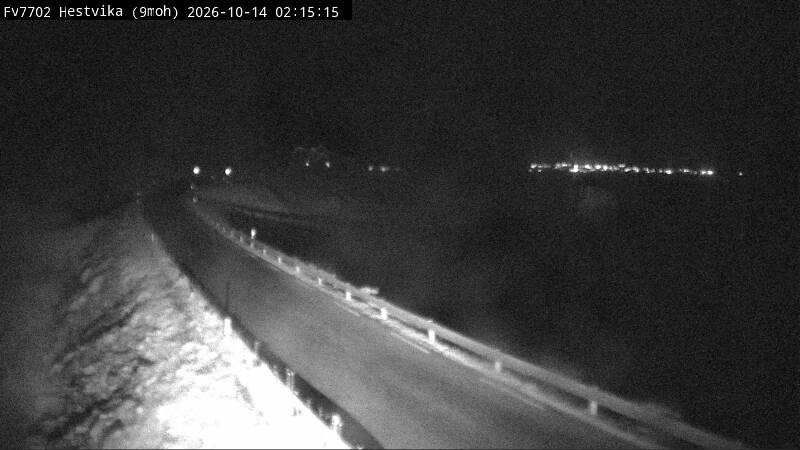
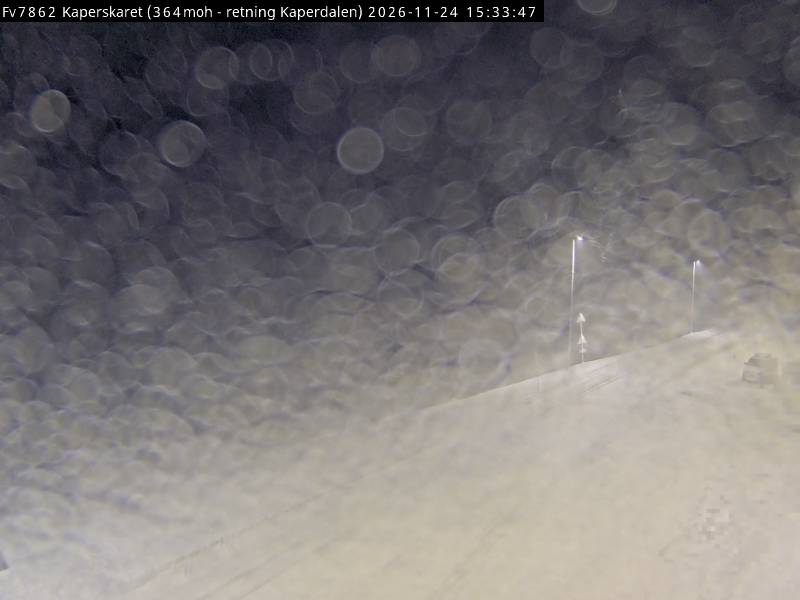
Use yr.no for cloud, and check road status on the Norwegian Public Roads Administration's traffic page during winter storms.
Where to watch
Light pollution on the island is minimal; almost any dark lay-by can work. Spots travel writers highlight:
- Tungeneset: A boardwalk facing the jagged Okshornan peaks; iconic but windy.
- Bergsbotn: A viewing platform over the fjord.
- Ersfjordstranda: A cove with a beach foreground.
- Around Hamn and Mefjordvær: Small fishing villages, dark and sheltered.
Getting there and where to stay
A car is close to essential; winter public transport is very limited. Finnsnes is the main town at the entrance, but for aurora it's nicer to stay in the west-coast villages (Hamn, Mefjordvær, Senjahopen).
Day tours run from Tromsø, but given the long drive, at least two nights on the island makes more sense.
Safety and cold
Narrow mountain roads and tunnels ice over in winter, and some passes can close in storms. Refuel whenever you can; village fuel stations are few.
Take care on rocky shores in the dark, and weigh down your tripod against the wind on exposed spots like boardwalks.