When to go
In Finnish Lapland the season runs from late August to early April, as long as nights are dark. FMI's best months are February–March and September–October, best hours 21:00–01:00.
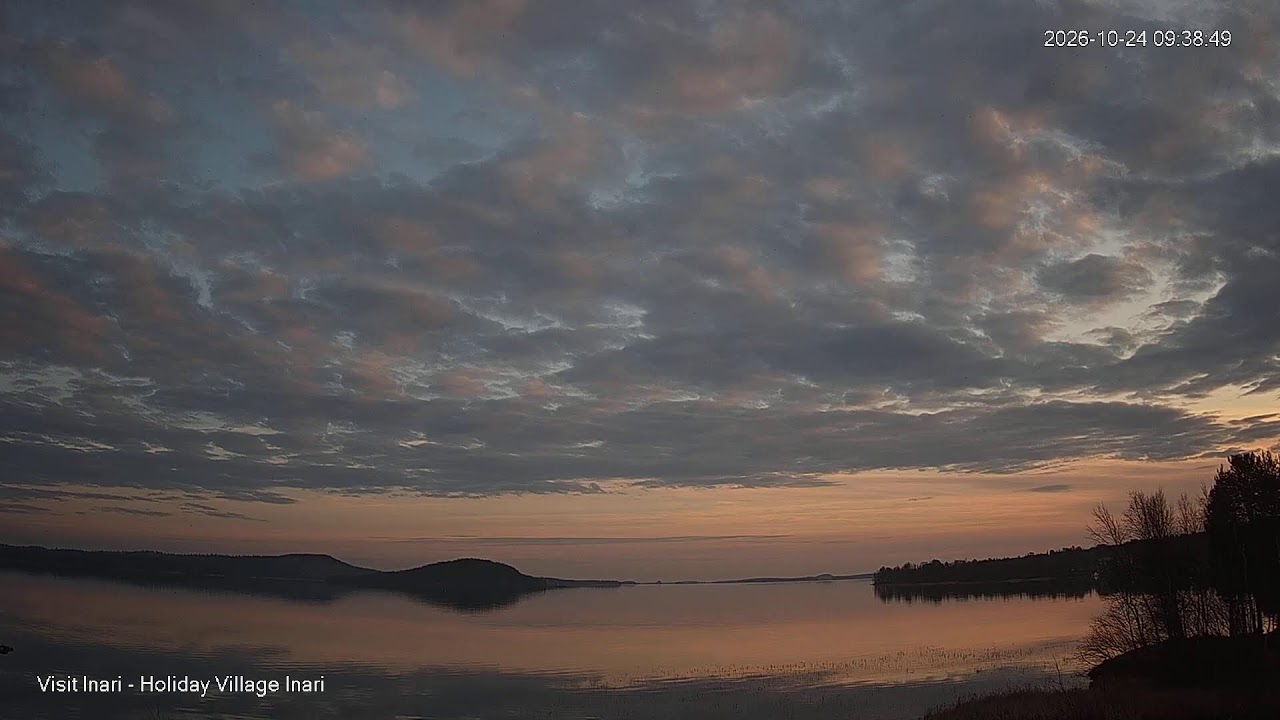
September's autumn colours (ruska) and unfrozen lakes give reflection shots. March offers long snowy days and still-dark nights, the best balance for skiing plus aurora.
Where to watch
- Kaunispää: The fell right above the village, reachable on foot or by road, with a 360-degree view. Village lights stay to the south.
- Kiilopää: A darker fell to the south on the edge of the national park.
- Lake Inari: Inari village, the Sámi cultural centre, is about 40 km north; a vast lake horizon.
- Urho Kekkonen National Park: Right next to the village; a few hundred metres along a snowy trail is enough to escape the lights.
Weather and clouds
Being inland, Saariselkä is drier than the Norwegian coast, but winter cloud is still frequent. Staying several nights and picking the clearest one is the best strategy.
FMI's space-weather page shows live magnetic activity at Finnish stations; for cloud, use yr.no or FMI forecasts.
Getting there and where to stay
Saariselkä is a small, walkable village where hotels, cabins and glass igloos sit side by side. A glass igloo is a comfortable way to watch, but shooting through glass isn't ideal; be ready to step outside.
Ivalo is reached via Helsinki, with airport buses timed to flights. By road from Rovaniemi it is about 3.5–4 hours.
Safety and cold
NASA POWER puts Ivalo's January mean at about -13 °C, and wind on the fell tops makes it feel much colder. Protect your face when going up Kaunispää.
Stay on marked trails in the dark and keep your phone battery warm. Reindeer are common on the roads; drive slowly.