When to go
Visit Lofoten says the aurora can be seen from late August to mid-April, with no single best month. September suits hiking and camping; January–March suits snow scenery and skiing.
Under average conditions displays tend to start around 20:00–21:00 and fade soon after midnight. September averages the same temperature as June, so aurora doesn't have to mean deep cold.
Weather and clouds
Thanks to the Gulf Stream, Lofoten is surprisingly mild in winter (January averages around 0 °C), but the price is moisture and cloud. Visit Lofoten's advice is blunt: "Don't worry about the KP index. Find clear skies and you will most likely find northern lights."
Weather often differs between islands; one can be overcast while it is clear a few tunnels away. That makes a car close to essential. Follow the yr.no cloud map through the night.
Where to watch
Visit Lofoten suggests starting with the beaches on the sparsely populated north coast, most reached easily from the E10.
- Uttakleiv: Open northern horizon, ideal for low to mid-level aurora. As activity grows the surrounding mountains can block the view.
- Haukland and Vik: Move to these west- and southwest-facing beaches during strong displays.
- Hamnøy and Reine: Classic postcard frames of red cabins and sharp peaks.
- Gimsøy: A broad, flat island with open horizons; can be windy.
Getting there and where to stay
The islands form a long chain; Svolvær to Reine takes about two hours in winter. For a central base, the Leknes area is within reasonable reach of both Uttakleiv–Haukland and Reine.
Rental cars come with studded tyres, but narrow roads, wind and ice demand experience. Guided tours also run on fixed dates, which makes sense without a car.
Safety and cold
Wind on the beaches can be fierce; weigh down your tripod and wear windproof layers. On rocky shores in the dark, watch for waves and tides.
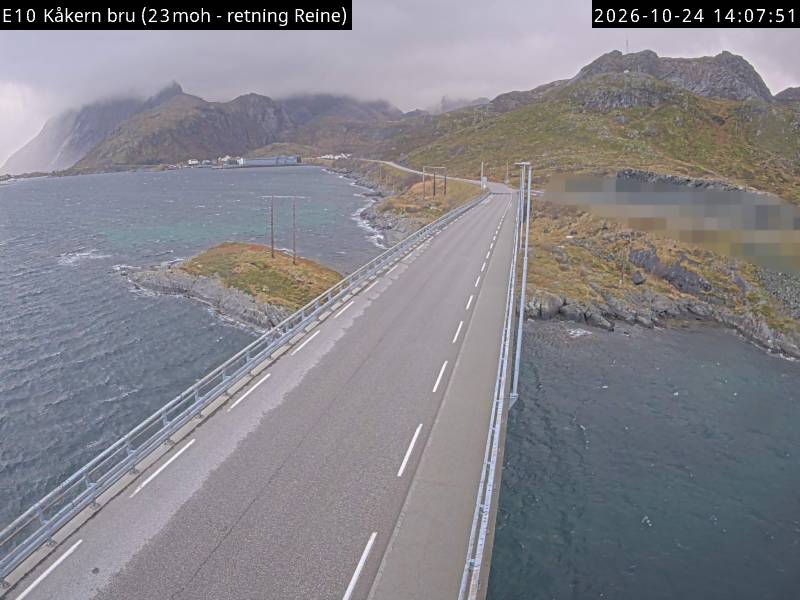
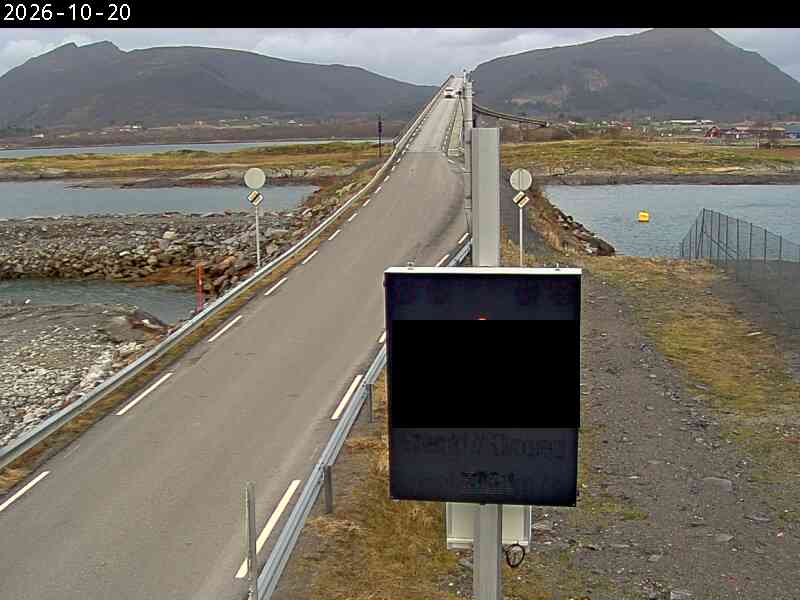
Don't stop on the road for photos, especially near bridges and tunnel mouths. At busy spots like the Hamnøy bridge, use the car parks and keep traffic moving.