When to go
In northern Norway the season runs roughly September to March; late August and early April can also be dark enough. From late November to mid-January the polar night keeps most of the day dark.
February and March combine long nights with more usable daylight, and are the best months for dog sledding and snow activities. Alta's Finnmarksløpet sled-dog race is held in early March, and accommodation fills quickly that week.
Weather and clouds
Alta sits at the head of a fjord, a little more sheltered than Tromsø on the open Atlantic coast. In the NASA POWER-based comparison its Dec–Feb cloud cover is around 80%; even so, coastal weather changes fast.
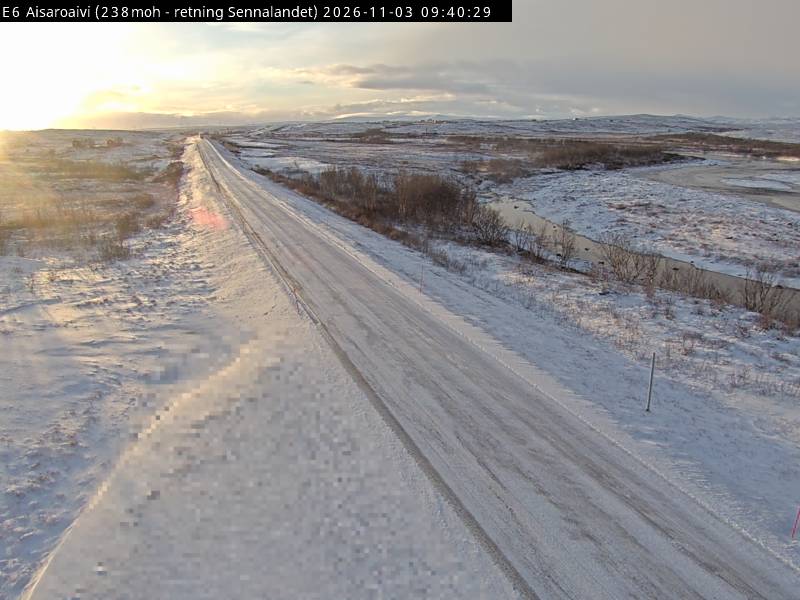
When the coast is overcast, driving south up the Alta valley often helps. Use the map and hourly forecast on yr.no together.
Where to watch
Alta is a small town, so darkness is close; 10–20 minutes from the centre is often enough.
- Northern Lights Cathedral: The titanium-clad church in the centre; the BorealisAlta exhibition inside covers aurora science and Sámi myths. Not a viewing spot, but a good stop on a cloudy night.
- Alta valley (towards Sorrisniva): Dark, open ground along the river to the south.
- Fjord shores: An open northern horizon helps even with weak displays.
Getting there and where to stay
The airport is right next to town, which saves time on a short trip. Stay in the centre or in a cabin up the valley away from lights.
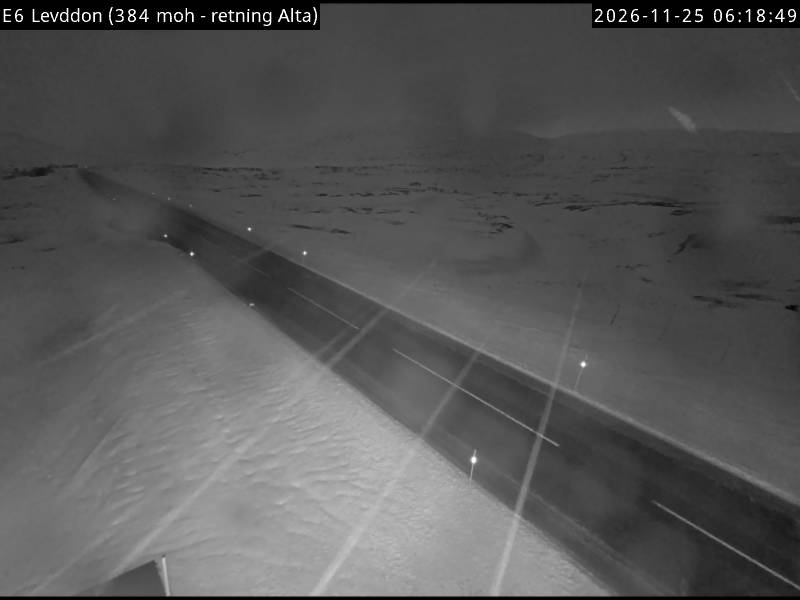
Studded tyres are standard for winter driving, but with darkness, ice and reindeer on the road, a guided tour is safer if you don't know the area. Dog sledding and Sámi cultural experiences are common here.
Safety and cold
NASA POWER puts the January mean at about -10 °C, and the inland valley can be much colder. Dress in layers and carry spare batteries; the cold drains them fast.
Don't stop on the roadside to photograph at night; reindeer and snowploughs appear suddenly in the dark.